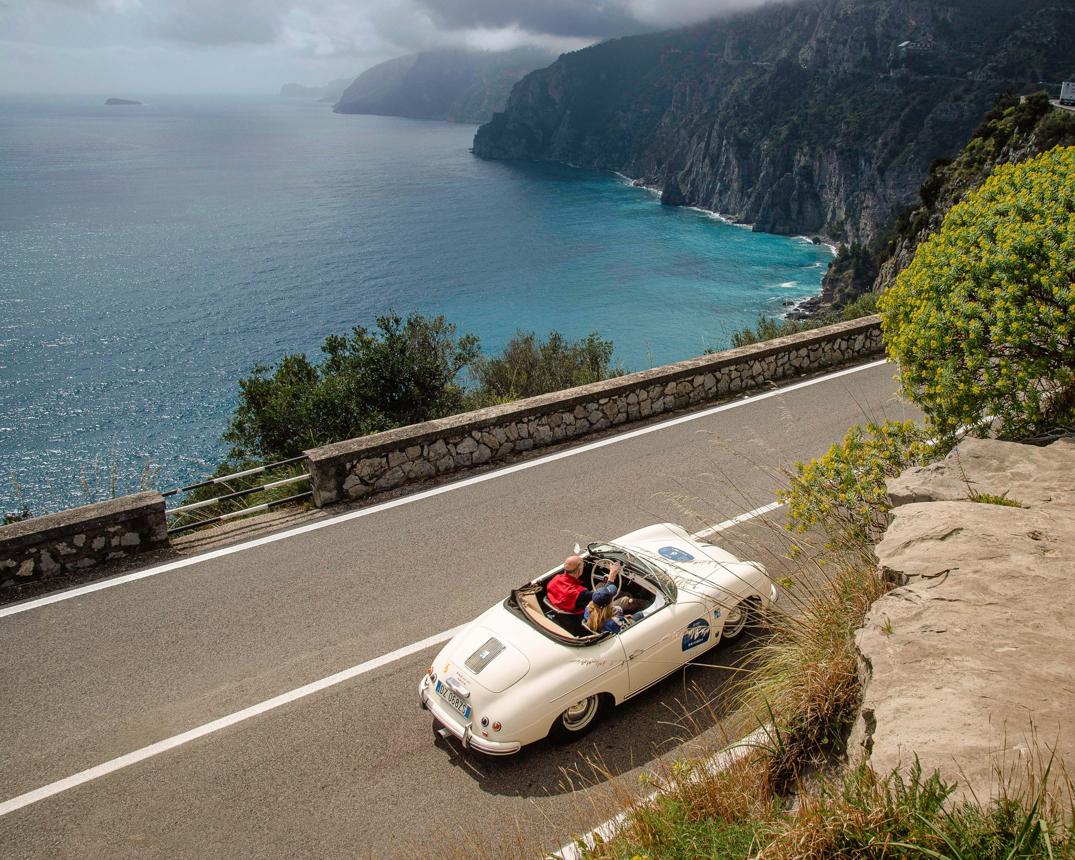
Two pieces of research sit behind almost everything we do at BREVITY. Neither was funded by a yacht charter company, we promise.
Experiences beat things
In 2003, the psychologists Leaf Van Boven and Thomas Gilovich asked a simple question: do experiences make people happier than possessions? In a national phone survey of 1,279 adults, 57 per cent said an experiential purchase had made them happier, against 34 per cent for a material one, even after accounting for price.
In the lab, people simply felt better thinking about an experience they had paid for than about a thing they had bought. Later research suggests experiences bring people closer to others, feel more like part of who we are and invite fewer comparisons. Nobody compares their sunset with their neighbour's in quite the way they compare kitchens.
A fair caveat: later studies found the effect is strongest for people with money to spare. When resources are tight, a useful object can matter just as much. But if you're reading this, wondering whether to book the trip or buy the watch, the evidence leans towards the trip.
We regret what we didn't do
In 1994, Gilovich and his Cornell colleague Victoria Husted Medvec published a study on the timing of regret. In the short term, people tend to regret things they did: the bad decision, the embarrassing remark. Over a lifetime, the regrets that linger are mostly about things they didn't do.
In one small study of 32 adults asked about the biggest regret of their whole lives, 84 per cent named something they hadn't done. Only 16 per cent named something they had.
The reason, the researchers suggested, is that we fix or make peace with our mistakes. The road not taken just sits there, getting more scenic every year.
To be honest about it: that was a very small sample. When researchers repeated the exercise in 2023 with 2,600 museum visitors in Chicago, recent regrets still leaned towards things people had done, but lifetime regrets came out roughly even. The effect is real; the size is up for debate. And Gilovich and Medvec never told anyone to be reckless. Caution exists for good reasons.
So, the long way round
We're not suggesting you sell the house and buy a sailing boat. We're suggesting that next time you have a choice between the fast road and the coast road, the quick sandwich and the long lunch, staying in or saying yes, you remember what the psychologists found.
Life is short. Take the long way.